15 Years of Ditio: From Idea to Expertise in Project Management
Ditio was founded in 2011 based on a firm conviction: project organizations need more than just capacity. They need structure, expertise, and control.
Founder Rick Ardts realized this early on in his career. After graduating, he started working as a consultant at a large staffing agency, where he learned the ropes. At the same time, he noticed that something was missing.
“You provided people, but the real added value was often missing. That didn’t feel right to me.”
In conversations with Arjen Elderson, co-founder of Ditio, it became clear that they shared the same vision: not just providing people, but actually contributing to the success of projects and the development of organizations.
That idea became the foundation of Ditio.
The early years: pioneering and staying focused
Starting a business means starting from scratch.
“You start with a laptop and a phone. You have to take care of everything yourself that you’d normally have provided by an employer. You really have to blaze a trail.”
The first assignments came from the existing network. These were roles that are still familiar today: document controllers and planners. It involved a lot of business development, many meetings, and, above all, creating opportunities.
But in addition to landing contracts, there was another challenge: convincing people to become part of something that still had to be built.
An important decision during that initial phase was to focus on two areas of expertise:
Project Controls Management (PCM) and Document & Information Management (DIM).
Fifteen years later, that focus remains the same.
“Stay true to what you stand for. These are the areas where we make a difference and where the market recognizes us.”
The Evolution of Project Management: From Reporting to Insight
Project management has changed significantly over the past fifteen years. Whereas schedules used to be displayed on the wall as large drawings, the field has become increasingly digital. Tools, dashboards, and automation play a bigger role than ever before.
But the biggest change isn't just about technology.
“Organizations are no longer looking for someone who can simply operate a tool. They’re looking for someone who understands the entire process.”
Project management has become increasingly integrated. Time, cost, scope, and quality are all interconnected. It’s all about insight: understanding the impact of a delay and translating that into actionable management information.
At the same time, there is a growing need for simplicity.
“Customers want insights, but they want them presented clearly. Not thick reports, but dashboards that show you where you stand.”
Document & Information Management: More Digital, but Indispensable
A lot has changed in the field of Document & Information Management as well. The field has become more digital, but it is certainly no less relevant.
“People often think the profession is disappearing, but the need for it is still there.”
The role is evolving. Whereas it used to be more about management, it’s now all about connecting: linking systems, establishing structure, and ensuring that the right information is available.
The best document controllers make all the difference.
“They ensure that construction is based on the latest version of the documents. That sounds simple, but it’s crucial.”
It is striking that paper has not yet disappeared.
“Even with large, modern projects, you still see documentation being delivered in physical form. That says something about how organizations approach certainty.”
Where organizations can still make gains
Organizations have become more discerning in their approach. They are taking a more targeted look at where processes can be improved. Yet the greatest gains are still to be found at the start of projects.
“Project management and document control must be properly established from the outset.”
In practice, this still happens too often too late. The result is repair work, extra costs, and delays.
“If you don’t figure it out until the project is underway, you’re already wasting time.”
That is the essence of Ditio’s vision:
From waste to acceleration.
Ditio as an organization
From the very beginning, Ditio has been built as a people-oriented organization.
“People come first. It’s always been that way.”
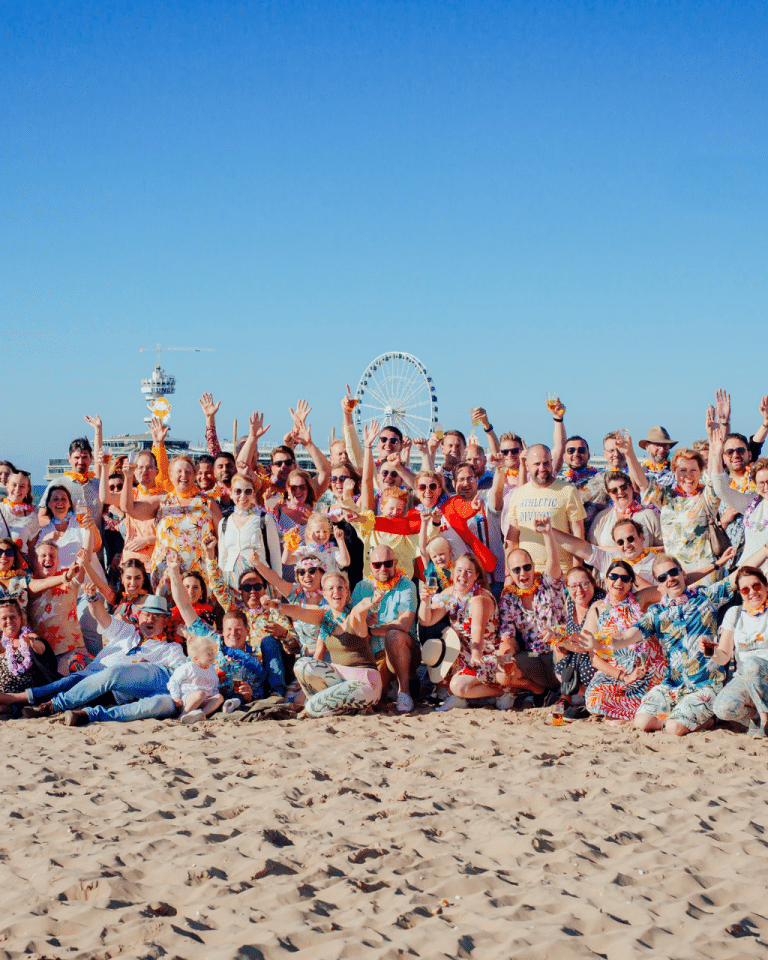
This is reflected in our culture. Colleagues know how to connect with one another, work together, share knowledge, and build relationships that go beyond just work.
Friendships are formed, milestones are celebrated together, and people feel like they are part of the organization.
“That’s something I’m really proud of. It’s great to see that people feel connected without you having to steer things in that direction.”
That human touch also plays a major role in our interactions with customers.
“The best feedback is when the relationship continues, even beyond specific projects.”
Lessons from 15 Years of Entrepreneurship
As Rick looks back on 15 years at Ditio, he feels a sense of pride—in the people, the teamwork, and the growth the company has undergone. At the same time, he sees room for further growth.
“I wish the organization had been more mature in certain areas. I wish we had further developed certain processes and were even less reliant on individuals.”
That ambition is still there.
“The next step is to further professionalize the way we work, without losing sight of what makes us strong.”
Looking Ahead: From Supplier to Knowledge Partner
According to Rick, the future of project management lies in collaboration and ownership.
“Customers are increasingly looking for a partner who thinks proactively and takes responsibility, rather than just providing capacity.”
That is also the direction Ditio is heading in.
Not so much growing in terms of the number of customers, but in the depth of our collaboration.
“I’d rather make a real impact with a smaller group of clients than work superficially with a lot of organizations.”
Knowledge plays a central role in this.
“Our specialists need to demonstrate even more clearly what they stand for. That’s where the real value lies.”
Moving forward together
Fifteen years later, the conviction that drove Ditio’s founding remains unchanged.
Projects succeed when they are backed by strong project management. When information is organized. And when organizations partner with parties that look beyond mere capacity. This is Ditio’s approach:
Together, from waste to growth.